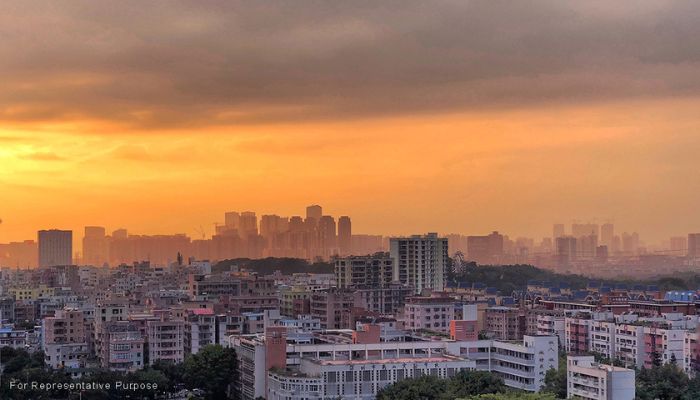
A few years ago, Wagholi was seen as “far.” Today, it’s one of Pune’s most discussed residential
pockets—because Pune’s expansion has pushed the city’s growth engine toward the east corridor,
where employment zones, highways, and new transit plans are converging.
So what exactly is changing in Wagholi—and what should homebuyers watch before investing?
1) The biggest growth driver: planned Metro extension toward Wagholi
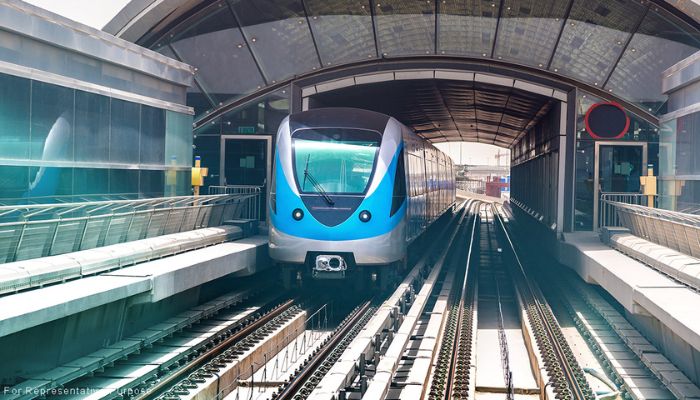
One of the clearest signals of Wagholi’s long-term importance is the Pune Metro Phase-2
approval for the Ramwadi to Wagholi/Vitthalwadi corridor (Corridor 2B), alongside Vanaz to
Chandani Chowk (Corridor 2A). The Government of India’s press release notes these corridors will
connect fast-developing suburbs including Kharadi and Wagholi, with a target timeline of
completion within four years from approval.
The Pune Metro Phase-II DPR also describes the Ramwadi to Wagholi extension (elevated) and
lists multiple stations planned on this stretch.
Why this matters for buyers: Metro connectivity can reshape rental demand, reduce commute
friction, and improve “liveability perception”—often a key factor in resale.
2) Wagholi’s location advantage in the East ecosystem
Wagholi sits on the eastern side of Pune’s urban story—benefiting from:
• Proximity to the broader IT and commercial ecosystem (especially via Nagar Road)
• Strong connectivity pull from adjacent high-demand nodes (like Kharadi-side job markets)
Even if you don’t use Metro daily, “ease of access” influences how quickly an area matures.
3) The next layer: ring-road style connectivity planning
Beyond Metro, Pune’s regional mobility planning (including ring-road and connector thinking) is
aimed at strengthening circular connectivity between key hubs such as Lohegaon Airport,
Hinjewadi IT Park and Chakan MIDC—which influences demand patterns across east/west
corridors.
At the same time, projects like the Inner Ring Road have seen delays due to land clearances (as
reported by PMRDA-linked updates), so buyers should treat timelines as “in progress,” not
guaranteed.
4) What’s changing on ground: from “budget suburb” to “end-user suburb”
Wagholi is shifting in buyer profile:
• From purely price-sensitive buyers → to young families and end-users
• From “just buy and rent” → to buy and live (schools, daily conveniences, community
living)
This is typically where a suburb starts behaving like a true city zone—if infrastructure keeps pace.
5) Wagholi buyer checklist (don’t skip these!)
Wagholi is growing fast, which makes due diligence more important—not less.
Check 1: Water source + backup clarity
Ask about source + tanker dependency + backup arrangements.
Check 2: Approach road bottlenecks
Do a site visit in peak hours (weekday evening).
Check 3: Legal verification
Always verify MahaRERA registration and project approvals.
Check 4: Construction specs
Compare actual specs (structure, waterproofing, electrical load, lifts) rather than just amenities.
Check 5: Liveability
Groceries, clinics, school access, last-mile transport.
Wagholi’s transformation is real—and the Ramwadi–Wagholi Metro extension approval is one of
the strongest long-term signals supporting it.
But fast-growing zones reward buyers who do the basics well: verify, compare specs, and test
commute realities.